Snippet
Twin brothers Ajish G Habib and Bijish G Habib started Tuttifrutti Interactive in Kochi, instead of any tier-1 city in 2015. Their flagship game, Darkarta: A Broken Heart’s Quest, became Big Fish Games’ No.1 All-Time Top Rated title in 2018, with a 4.7/5 rating and 97% recommendation. A decade in, they’re building their most ambitious game yet, with Epic MegaGrant backing and Sony’s India Hero project expressing interest.
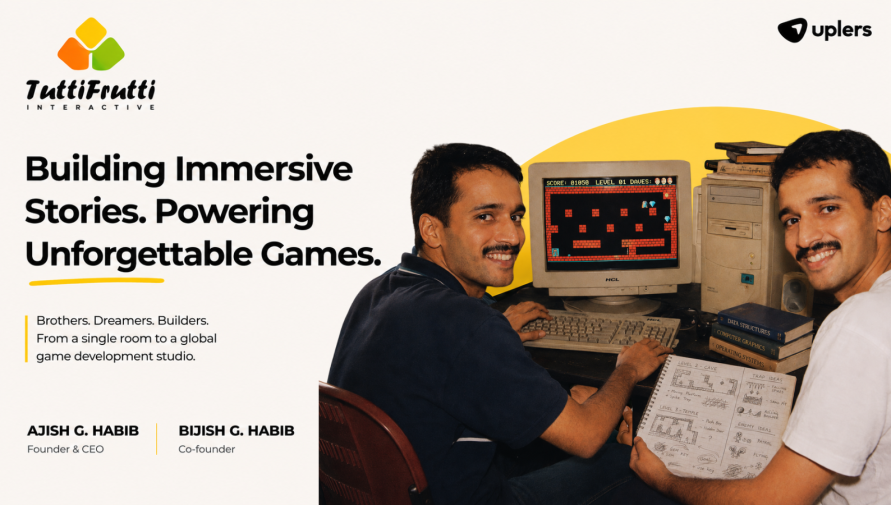
Twin brothers. One computer. One player at a time.
The game was Dangerous Dave, a DOS platformer built by John Romero. Ajish G. Habib and Bijish G. Habib grew up in a middle-class family in Kerala, their parents salaried government employees who had followed the formula that worked for a generation: study hard, get a secure engineering job, build a stable life. Every evening, the brothers finished homework and ran to the computer. They knew every level of Dangerous Dave by heart. Every hidden route. Every trap.
Then one day, they stopped asking how to finish the game and started asking how someone had made it.
That question changed the direction of everything.
Reverse Engineering a Childhood Dream
During engineering college, the brothers decided to rebuild Dangerous Dave from scratch. Not a copy. A reconstruction. Ajish handled the game logic in C++. Bijish reconstructed the levels entirely from memory.
The project won first prize at one coding competition, then four more.
From that point onward, nearly everything they did revolved around game development. Mini project, main project, seminars, late-night experiments: all of it became a stepping stone toward one thing. Long before the company officially existed, Tuttifrutti Interactive already existed in spirit.
Choosing the Harder Road
After graduation, their classmates took the secure engineering jobs their parents would have been proud of. Ajish and Bijish did not. They chose entrepreneurship at a point when India had almost no independent game studios, when building premium PC games from Kochi felt like an unusual thing to believe in.
To survive, they spent years building games for international clients. Outsourced work. Projects that paid the bills but also taught them something no curriculum covered: what separates good products from unforgettable ones. There were nights they slept in the office to meet deadlines. Moments when continuing required more energy than doubting did.
They kept building. Every client project quietly moved them closer to building their own.
In 2015, they founded Tuttifrutti Interactive in Kochi. The philosophy they brought with them was simple: players may forget marketing. They rarely forget quality.
Three Thousand People Who Were Already Waiting
Before launching their first original game, they spent years building a community around it. The client work had introduced them to a world of passionate casual game players across international forums. Ajish and Bijish personally messaged forum members, inviting them into what Darkarta was becoming.
By the time Darkarta launched, around 3,000 people were already waiting for it.
Darkarta Changes Everything
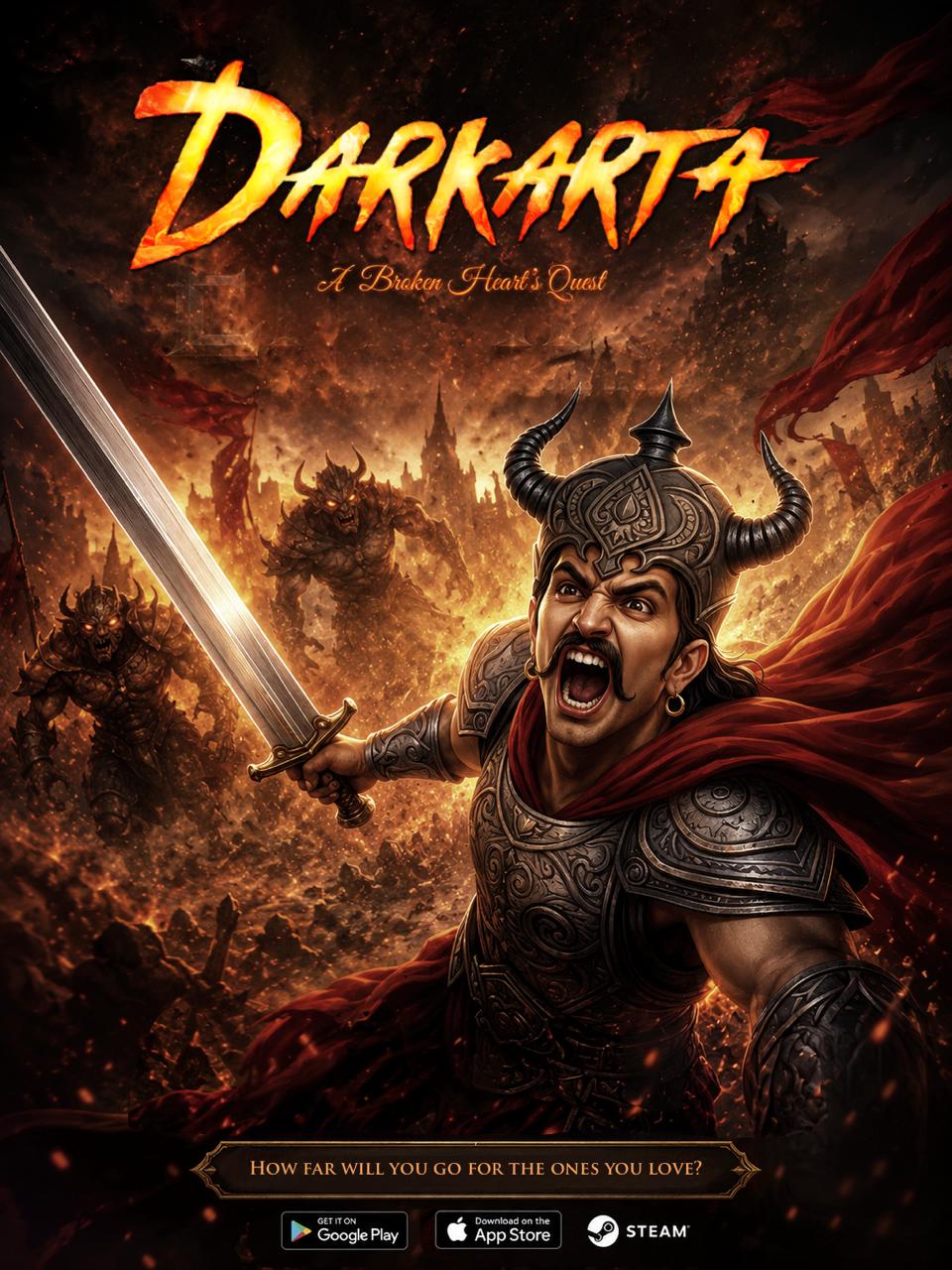
Darkarta: A Broken Heart’s Quest, a narrative adventure game rooted in mythology, family, and sacrifice, became one of Big Fish Games’ highest-rated titles and won 45+ industry awards, including recognition at Game Connection America.
For three years before it launched, Ajish’s phone wallpaper was a single target: get 4.7 out of 5.
They hit it.
A neighbouring studio had produced 10 hits on Big Fish Games, with an average rating of 2.5. Tuttifrutti got there in one.
The art director/ board advisor who came in as they were building Darkarta was Jeff Hayini, who had worked at DreamWorks, EA, and Big Fish Games before joining them. Not the most obvious hire for a small studio in Kerala, operating out of a 500 square foot government accelerator room next door to a 16,000 square foot neighbour.
The Kerala Advantage
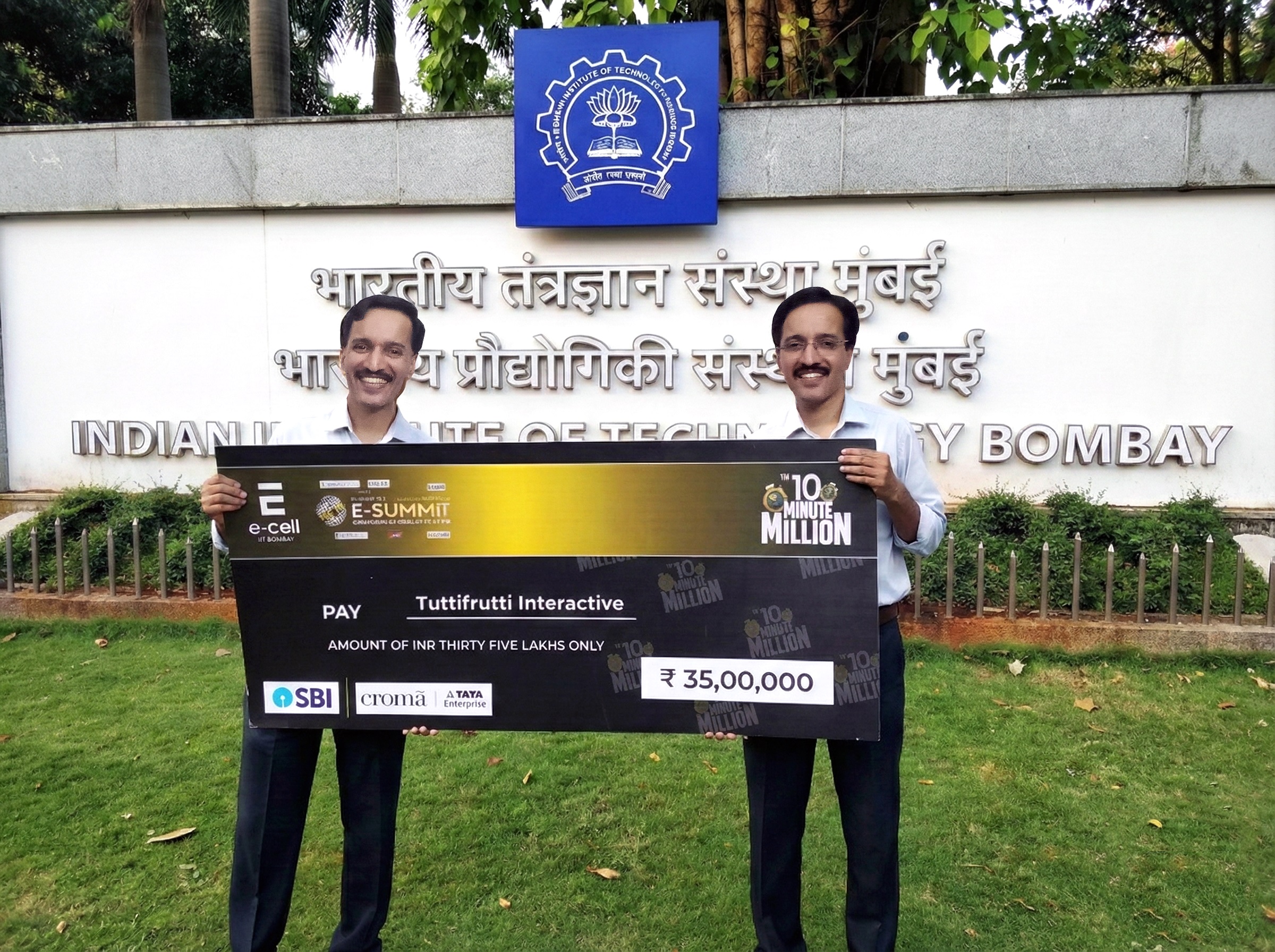
They stayed in Kerala deliberately. The cost structure made it possible. Kochi operates at roughly a fifth of what Bangalore costs. They were the 1st recipient of the 25 lakh KSIDC Seed fund for entrepreneurs from the Chief Minister. Toonz, one of Asia’s largest animation studios, is based there. The creative talent was real. It just needed to be found.
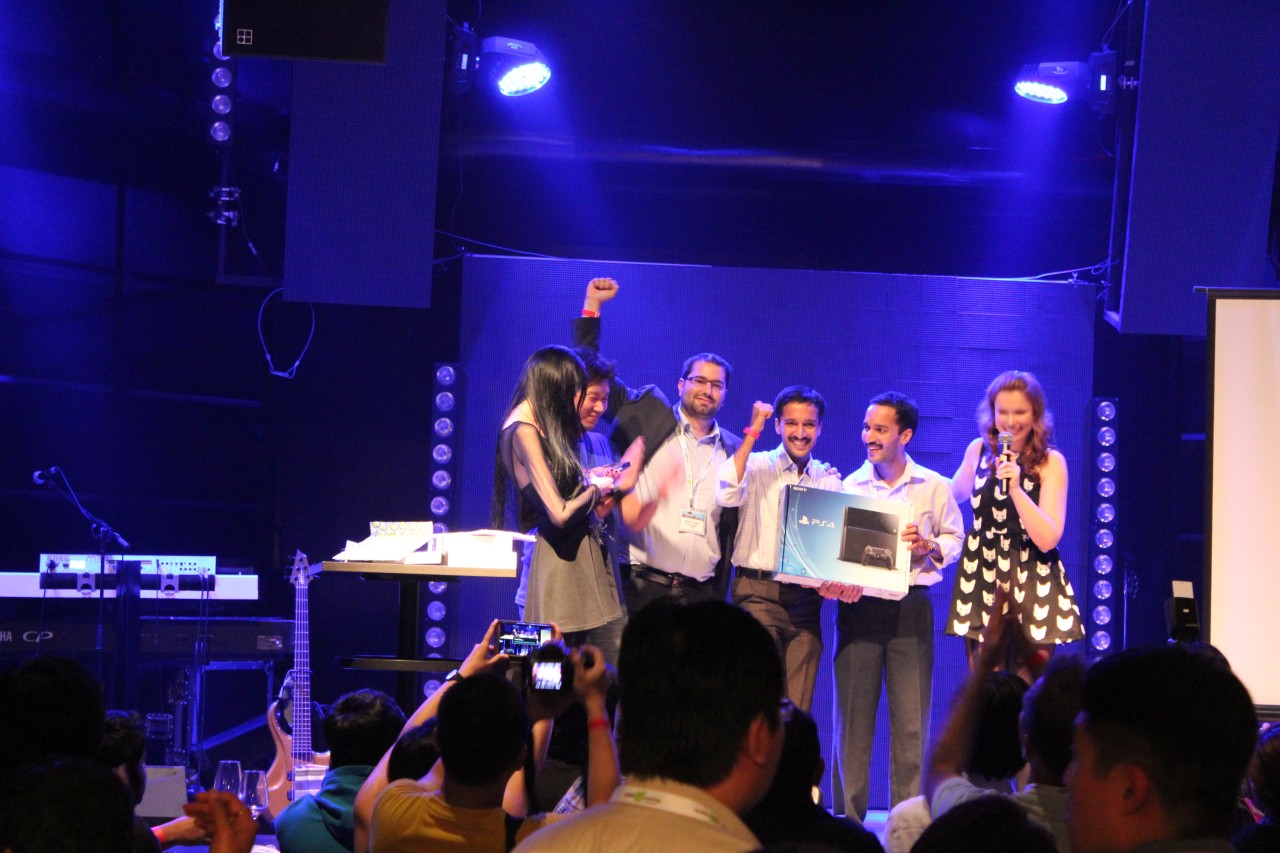
To find some of it, they flew to Singapore on a 1.6 lakh rupee investment. What came back, in Ajish’s words, was manifold returns in terms of the talent they brought into the team. They also won the Audience Choice Award from Sony Chairman Koji Tada.
The Game They Have Been Building Toward
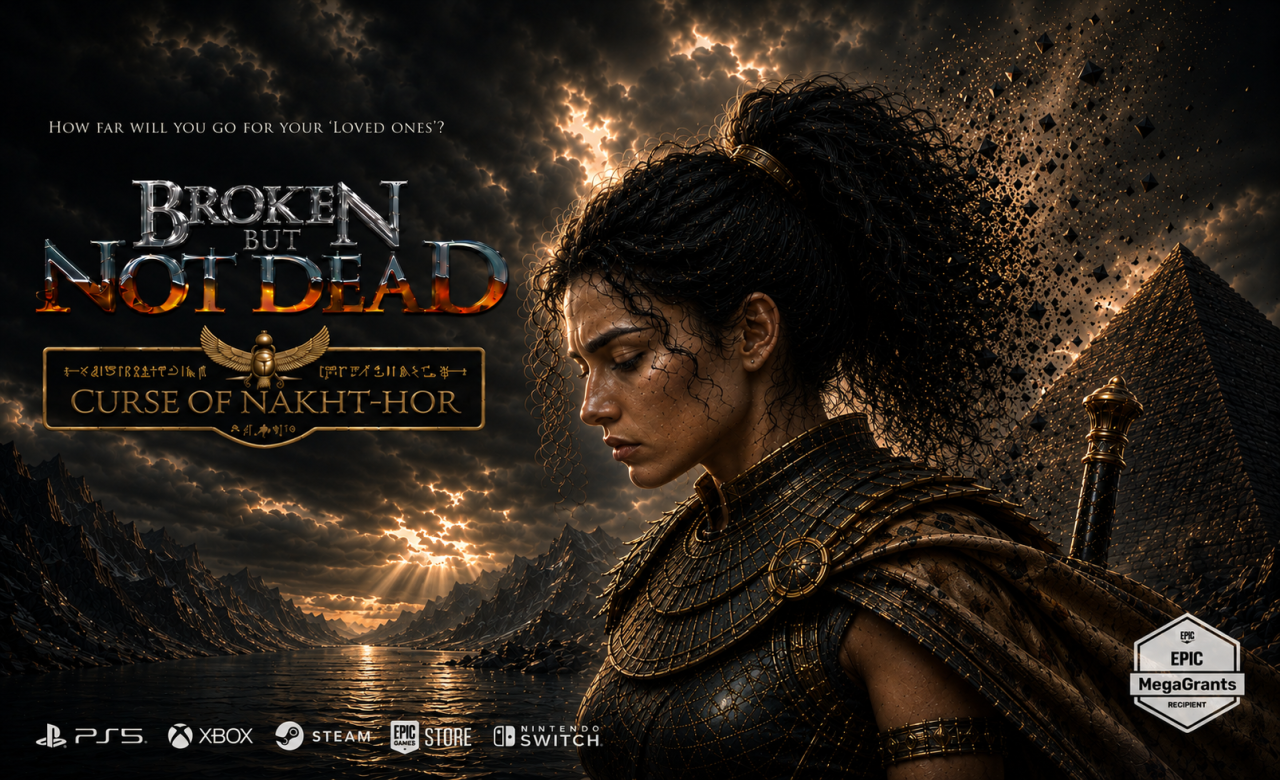
Now they are building Broken, But Not Dead.
Powered by Unreal Engine and supported through an Epic MegaGrant, the game has a Sony connection, with an October demo as the current target. This is not a client’s game. Not a proof of concept. It is the thing they wanted to make since they were two brothers with one computer and too many arguments over whose turn it was.
AI has become part of how they are making it. Not because it replaces what their artists do, but because it compresses the timeline. A matte art pass that used to take two weeks now takes ten seconds. The founders frame it the way most people who actually use it frame it: great tools amplify great creators. They do not replace the knowledge of what to make.
The People Who Want to Make This Game
The team Ajish and Bijish are building around this is specific. Not people who want game jobs. People who want to make this particular game. That distinction shapes where they look. The Singapore trip happened because the right talent was not all in one place. The 1.6 Lakh rupee investment was not cautious. It reflected a belief that the right people, brought into something real, would return more than what it cost to find them, and the audience choice award, was the cherry on the cake.
The segment they are competing in is worth roughly 100 million dollars. Tuttifrutti’s most recent valuation was around 2 million. That gap is either a problem or an opportunity, depending on how you read 3,000 early community members, 45 awards, and a 4.7 rating on the first attempt.
They started by asking one question: how was this game built?
Twenty years later, they are still asking it. Just from the inside now, with a Sony logo attached to the answer.