






























Hire AR Developers to Power the Future of Marketing and Training
Augmented Reality (AR) overlays digital elements, images, information, or animations onto the real world using smartphones, tablets, or AR glasses. This brings the physical and virtual worlds together, creating real-time, interactive experiences.
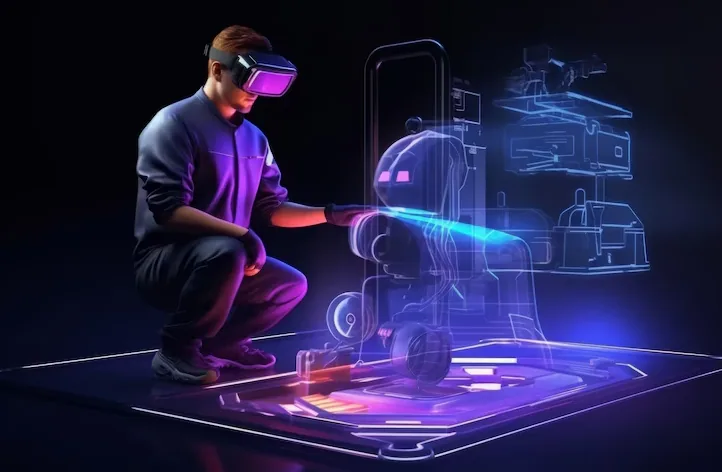
Today, 71% of shoppers shop more often if retailers offer AR. Businesses now focus on interaction, more than presentation. Immersive experiences influence buying decisions and employee learning faster than traditional methods.
But you can't build cutting-edge AR experiences without the right talent. AR developers bring the skills to create engaging campaigns and realistic training environments. Hire AR app developers to bridge vision with execution.

Role of AR in Modern Marketing
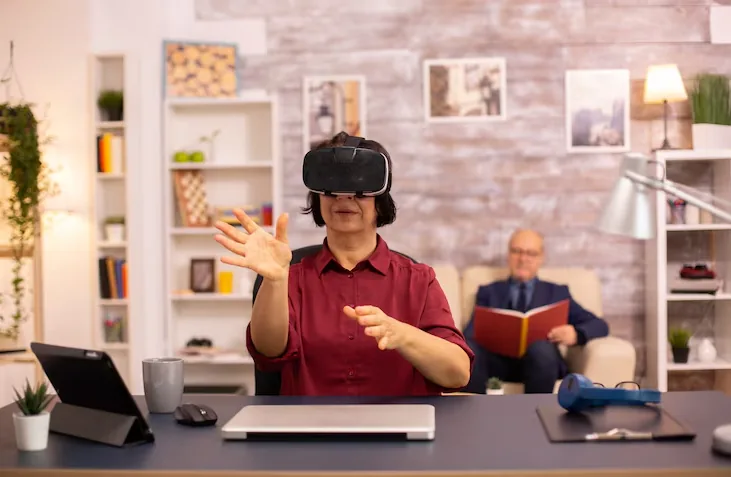
Marketing is about attention, and AR helps you hold it longer. With AR, your audience interacts with your brand.
- Enhances customer engagement with interactive product experiences
- AR lets customers try before they buy, virtually
- AR is shortening the sales cycle. Shoppers spend 20.7% more time engaging with products that include AR features.
Case studies include:
- Pepsi Max's AR bus stop campaign in London, which showed flying saucers and robots appearing on the street, led to over 8 million YouTube views and a massive spike in brand mentions.
- Sephora's AR mirror allowed users to test makeup in-store without applying it physically, leading to a 200% increase in engagement time.
AR marketing is memorable. Customers who experience AR are 70% more likely to retain the brand message. It encourages social sharing and boosts organic reach without extra ad spend, so you get more value from every campaign.
How AR Transforms Employee Training
Training is expensive, time-consuming, and often lacks real-world relevance. AR changes that by simulating real-world conditions in a controlled, repeatable format.
- Enables training a surgeon or a factory worker without physical tools or risks
- Learners can practice critical tasks in a 3D environment that mimics real-life scenarios
- Assists in surgery planning in healthcare
- Helps with machine repair guidance in manufacturing
- Retail uses it for employee product demos
Retention rates with AR-based learning are as high as 75%, compared to 10% with traditional methods.
Key Skills and Technologies AR Developers Bring
Effective AR experiences require both technical and design expertise.
- Expert in Unity and Unreal Engine for 3D development
- Knowledge of cloud-based services like Firebase
- Having an idea of spatial UX design
- Can integrate AR systems with AI for personalization, IoT for smart environments, and analytics tools
What to Look for When Hiring AR App Developers
Not every developer can build for AR. You should be careful when you hire AR developers.
- Focus on those who've already built and deployed AR applications
- Look for relevant certifications or training, especially in Unity or ARCore
- Must work with backend systems like Firebase
- Ability to prototype, someone who can iterate fast, and test often
- Ability to communicate well and adapt to feedback
In-House vs. Outsourcing AR Development
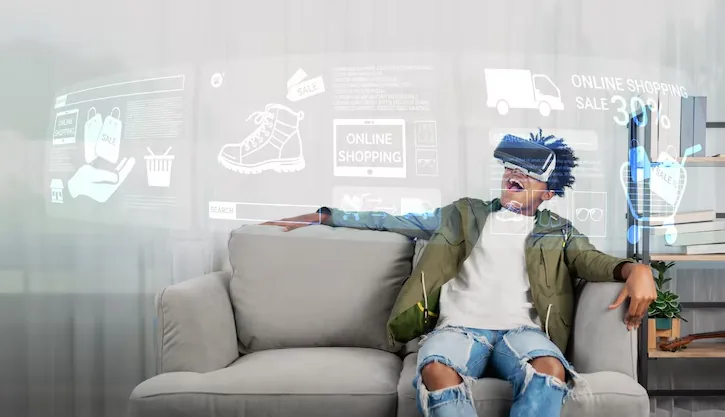
Your build approach depends on budget, timeline, and internal capacity. In-house teams offer full control, long-term commitment, and closer alignment with your brand.
But hiring, training, and retaining top AR talent is time-intensive and costly.
Whereas agencies or remote developers offer flexibility and speed. Platforms like Uplers, one of the largest tech talent networks, help you hire AI Vetted AR.
An AR developer for hiring in-house may cost more due to salaries, tools, and infrastructure. Outsourcing can be more scalable. You can ramp up during heavy builds and scale down when needed.
Industry Trends Driving the Demand for AR Talent
The AR job market is expanding fast. Knowing what's pushing this growth helps you plan better.
- The rise of spatial computing allows AR to track space, objects, and movement more accurately. Combine that with 5G's low latency, and you can deliver faster, more responsive AR applications, ideal for live training and real-time product demos.
- Expansion of AR in education and remote work - With 1.5 billion AR-enabled devices in circulation, more schools and companies are using AR for learning and collaboration.
- Cross-platform AR experiences - WebAR removes the app barrier, and users can access experiences directly from browsers. Combined with mobile AR and wearables like HoloLens, there's growing pressure to hire AR developers who understand multiple platforms.
Conclusion
Hiring AR app developers now positions you ahead of the competition. In addition to building cool features, they deliver customer value, internal efficiency, and long-term differentiation.
Companies already investing in talent today will lead the way, especially in sectors like retail, healthcare, logistics, and education.


