






























How to Hire VR Developers That Understand User Interaction and Real-Time Rendering
VR technology has moved beyond gaming into practical business applications like training, product design, and customer engagement. Finding the right development talent is now a critical challenge for companies moving into this space. When you hire VR developers, technical skill alone isn't enough – you need professionals who understand how humans interact with virtual spaces and can create smooth, responsive experiences.
Recent industry data reveals VR spending will top $84 billion by 2028, with enterprise applications seeing the fastest growth.
Uplers, the largest tech talent platform, reports that VR developers who score highly on both technical assessments and user interaction understanding deliver projects with fewer revisions.

Understanding the Core Competencies of VR Developers
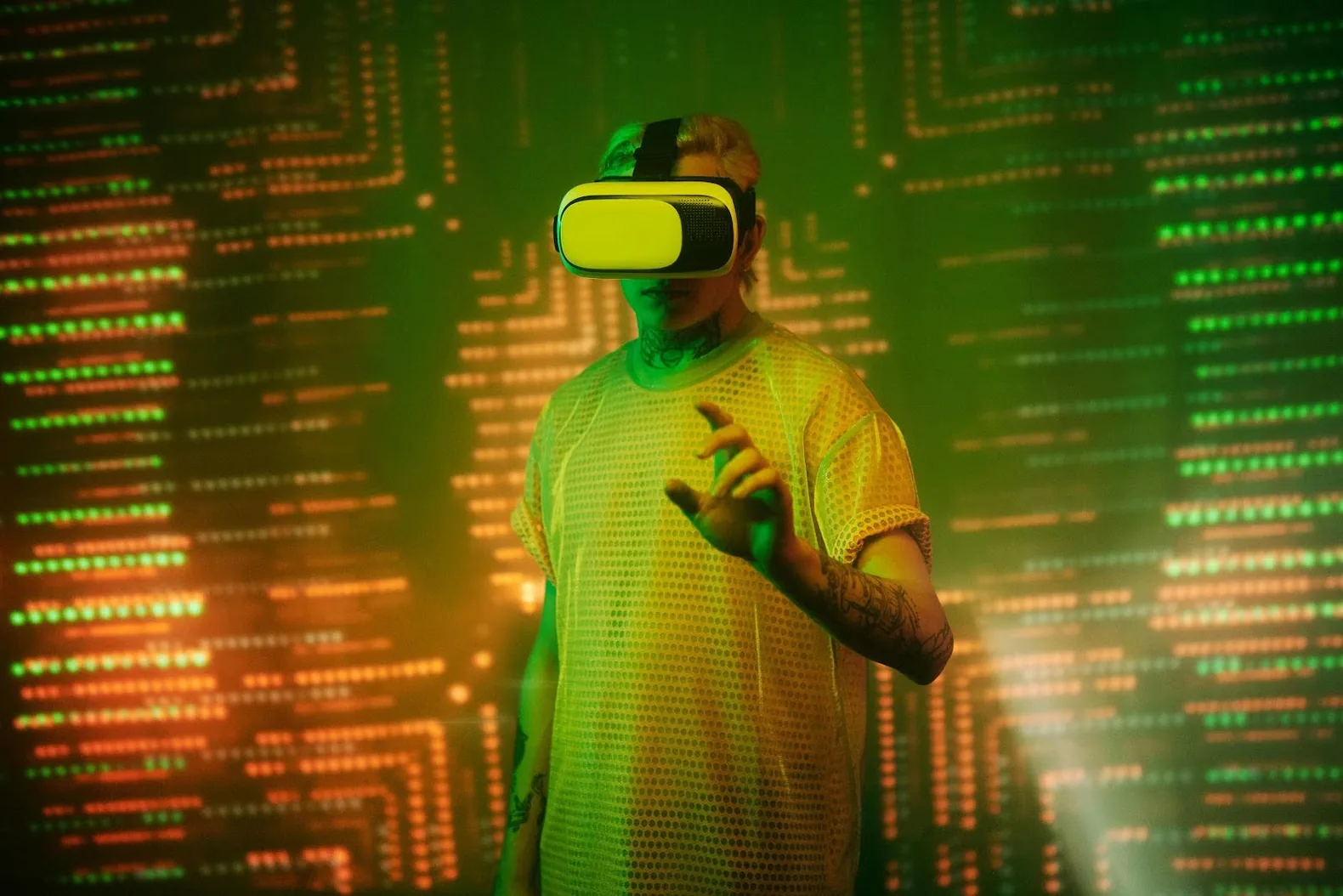
Before you begin your search to hire VR developers, understand the essential skills that separate average programmers from true VR specialists:
Technical skills: Look for proficiency in:
- Unity or Unreal Engine development environments
- Programming languages like C#, C++, and JavaScript
- 3D modeling tools and asset optimization techniques
Artistic sensibilities:
- Spatial design understanding and 3D environment creation
- Intuitive UI/UX design principles adapted for 3D space
- User-centric design thinking for immersive experiences
Interaction expertise:
- Experience with haptic feedback systems and controllers
- Natural movement patterns and cybersickness prevention
- Accessibility considerations for diverse user groups
Real-time rendering skills:
- Graphics pipeline optimization techniques
- Level-of-detail implementation and draw call management
- Performance profiling and bottleneck identification
Defining Your VR Project Requirements

A clear project definition helps attract the right talent when you seek VR developers for hire:
Project scope classification:
- VR gaming applications
- Training and simulation environments
- Architectural visualization
- Marketing and product demonstration experiences
Platform selection considerations:
- Mobile VR (smartphone-based) for wider accessibility
- PC-tethered VR for maximum graphical fidelity
- Web-based VR for cross-platform compatibility
User interaction requirements:
- Controller-based vs. hand-tracking interactions
- Room-scale vs. stationary experiences
- Voice command integration requirements
Budget and Timeline Considerations:
- Estimated budget range and cost ceilings
- Key development phases and timeline expectations
- Resource availability and team capacity constraints
- Buffer time for revisions, testing, and unexpected delays
How to Evaluate VR Developer Candidates
Implementation of a rigorous selection process helps identify the best talent when you hire VR app developers:
Portfolio review strategies:- Test demos personally using the target hardware when possible
- Look for smooth interaction patterns and intuitive controls
- Evaluate loading times and overall optimization
- Code reviews focusing on the rendering pipeline organization
- Performance optimization exercises with measurable outcomes
- API and framework knowledge appropriate to your platform
- Understanding of forward vs. deferred rendering
- Knowledge of lighting models and shadow techniques
- Experience with optimization for mobile VR constraints
- Problem-solving approaches for 3D environment challenges
- Collaboration with designers, artists, and other team members
- Experience with iterative development based on user feedback
Essential Questions to Ask Before Hiring
Strategic questioning reveals a developer's true capabilities beyond what appears on their resume:
Performance optimization questions:- "What techniques do you use to maintain 90+ FPS in complex VR environments?"
- "Describe your approach to performance profiling and bottleneck identification"
- "What's your experience optimizing for standalone VR headsets vs. PC-tethered?"
- How do you design interaction systems that feel intuitive within a 3D environment?
- What methods do you use to handle object manipulation, spatial UI, and user feedback?
- How do you balance realism with usability in 3D interactions?
- What’s your process for testing and refining 3D interaction mechanics?
- "What challenges have you faced implementing networked VR experiences?"
- "How do you handle latency issues in collaborative VR environments?"
- "What networking frameworks have you used for VR development?"
- "What tools do you use for VR-specific debugging?"
- "How do you identify causes of frame rate drops in VR applications?"
- "What version control and project management tools do you prefer?"
Common Mistakes to Avoid When Hiring
Learning from others' hiring missteps can save significant time and resources:
Overlooking User Interaction Expertise for Pure Coding Ability:- Prioritizing technical skills without assessing UX or interaction design thinking
- Ignoring the importance of intuitive controls and spatial awareness in 3D environments
- Assuming functional code equates to a good user experience
- Failing to evaluate the understanding of usability, feedback, and user testing
- Hiring developers with only mobile experience for high-end PC VR projects
- Ignoring the unique constraints of standalone headsets
- Underestimating the impact of platform SDKs on development workflow
- Judging candidates solely on polished demo scenes
- Failing to assess code organization and documentation practices
- Not checking references from previous VR projects
- Assuming new hires will be productive from day one
- Overlooking the complexity of the existing codebase or toolchain
- Failing to allocate time for documentation review and training
- Neglecting mentorship or support during early onboarding phases
Working Effectively With Your VR Development Team
After you hire VR developers, set up systems for successful collaboration:
Communication workflow establishment:- Implement Agile or SCRUM methodologies adapted for VR development
- Schedule regular VR demo sessions with team-wide feedback
- Create clear documentation standards for spatial features
- Define interaction design approval processes
- Schedule regular user testing sessions with diverse participants
- Document and track simulator sickness incidents
- Set clear frame rate and loading time benchmarks
- Implement automatic performance testing in build pipelines
- Develop fallback systems for various hardware capabilities
- Implement VR-specific version control best practices
- Use 3D asset management systems with efficient workflows
- Enable remote collaboration through shared virtual environment
Conclusion
Successfully hiring VR developers who excel at both user interaction and real-time rendering starts with knowing exactly what skills your project needs. The best candidates combine coding proficiency with an intuitive grasp of spatial design and human perception in virtual environments.
Your hiring process should test both technical abilities and interaction design thinking. Look beyond flashy demos to understand how candidates approach optimization challenges and user comfort. The questions outlined above will help reveal whether a developer truly grasps what makes VR experiences work.
The developers you choose must communicate effectively with 3D artists, sound designers, UX specialists, and subject matter experts to build virtual worlds that accomplish your business goals while feeling natural to users.


